Healey takes his borrowing-control pitch to the IMF as experts warn of a £35bn Budget gap
The Chancellor flies to Bangkok for his first IMF annual meetings this week, urging major economies to bring borrowing under control, while the IFS warns he may need up to £36 billion of tax rises.
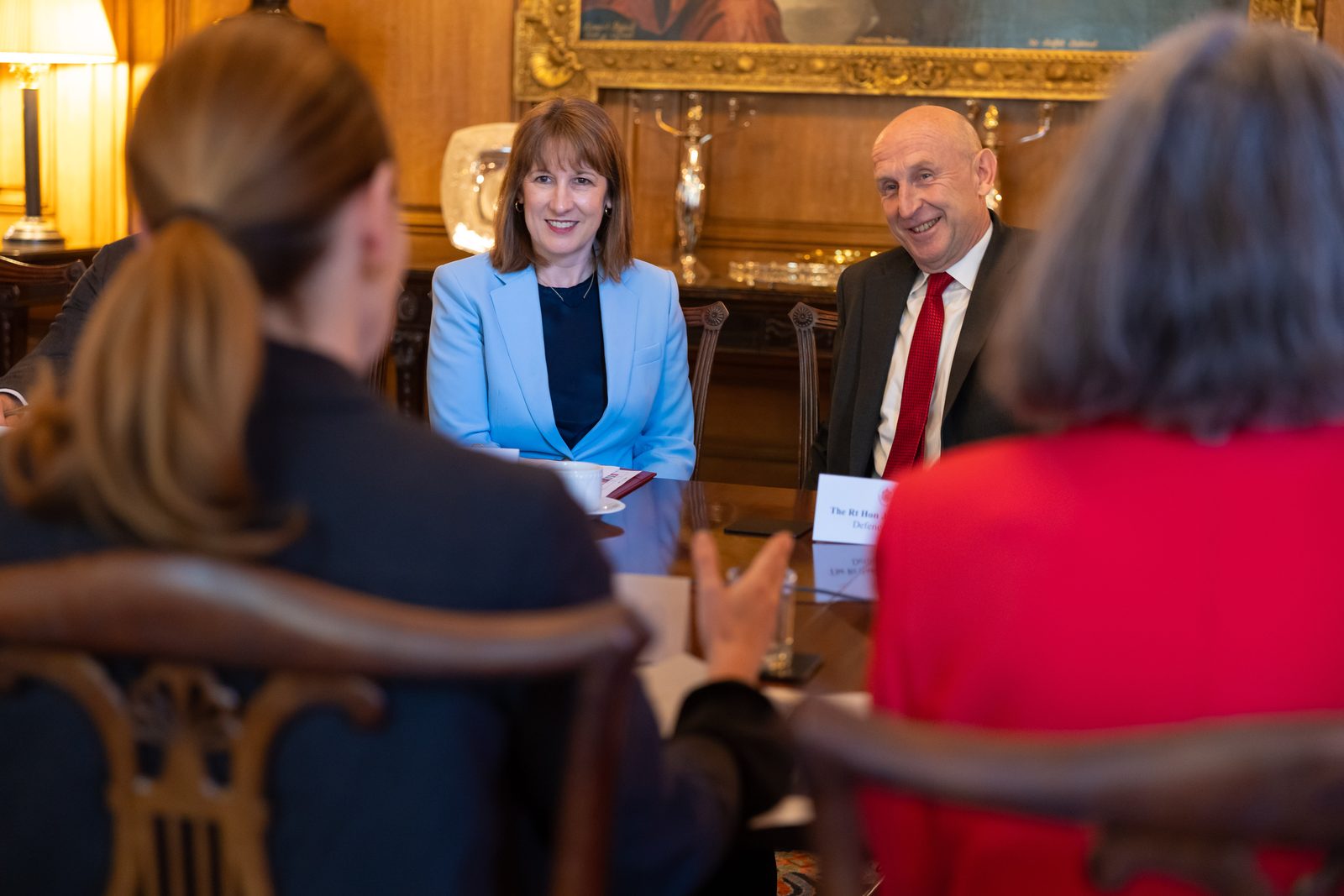
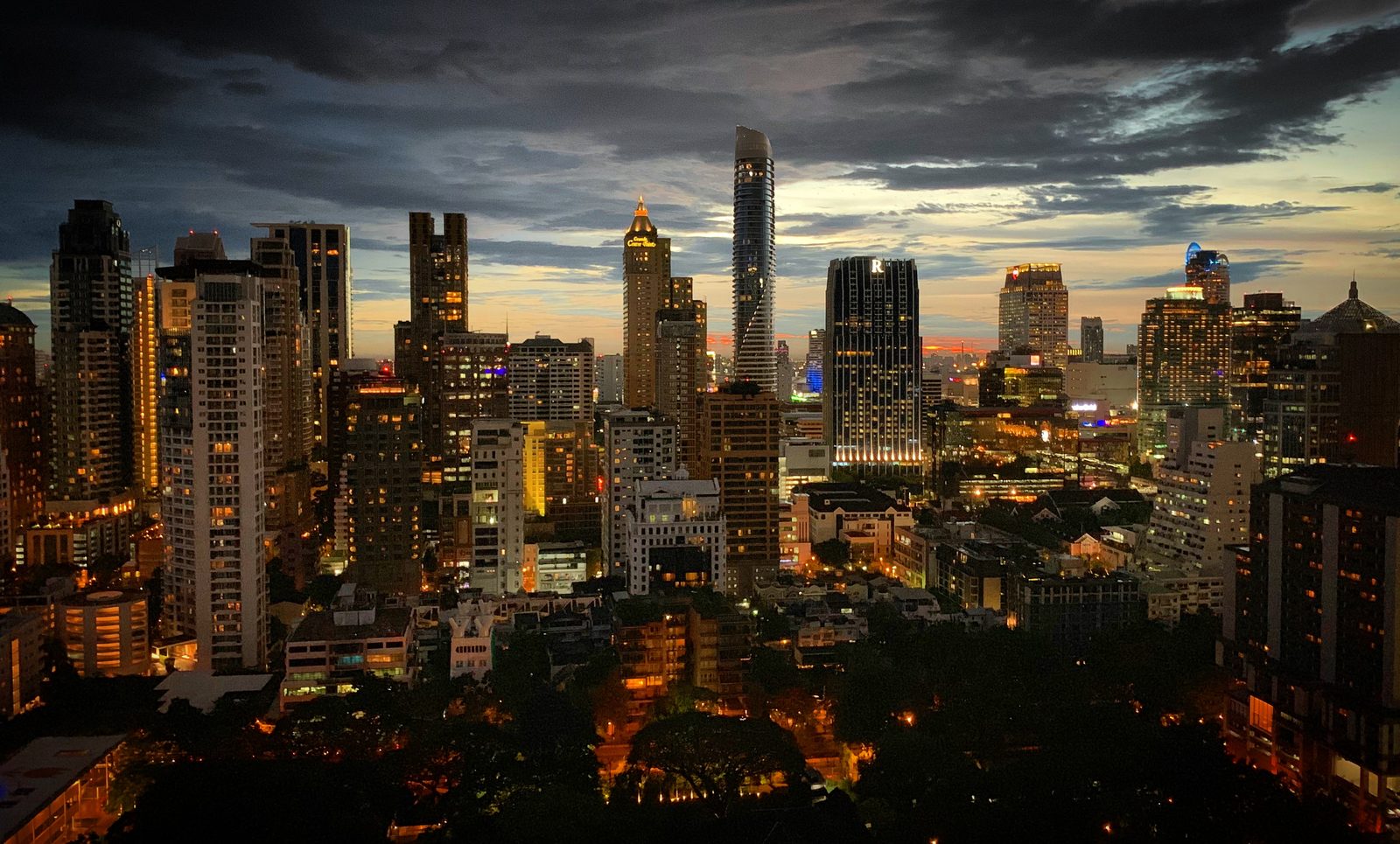
John Healey will use his first trip to the International Monetary Fund's annual meetings this week to press the world's major economies to put credible plans in place to get borrowing under control.
"I will work with our international partners to keep trade moving, support families and businesses, and make Britain's economy stronger and more resilient," the Chancellor said in a statement released by his office before the meetings in Bangkok, where finance ministers and central bank chiefs will discuss the impact of the widening Middle East war on energy prices and inflation.
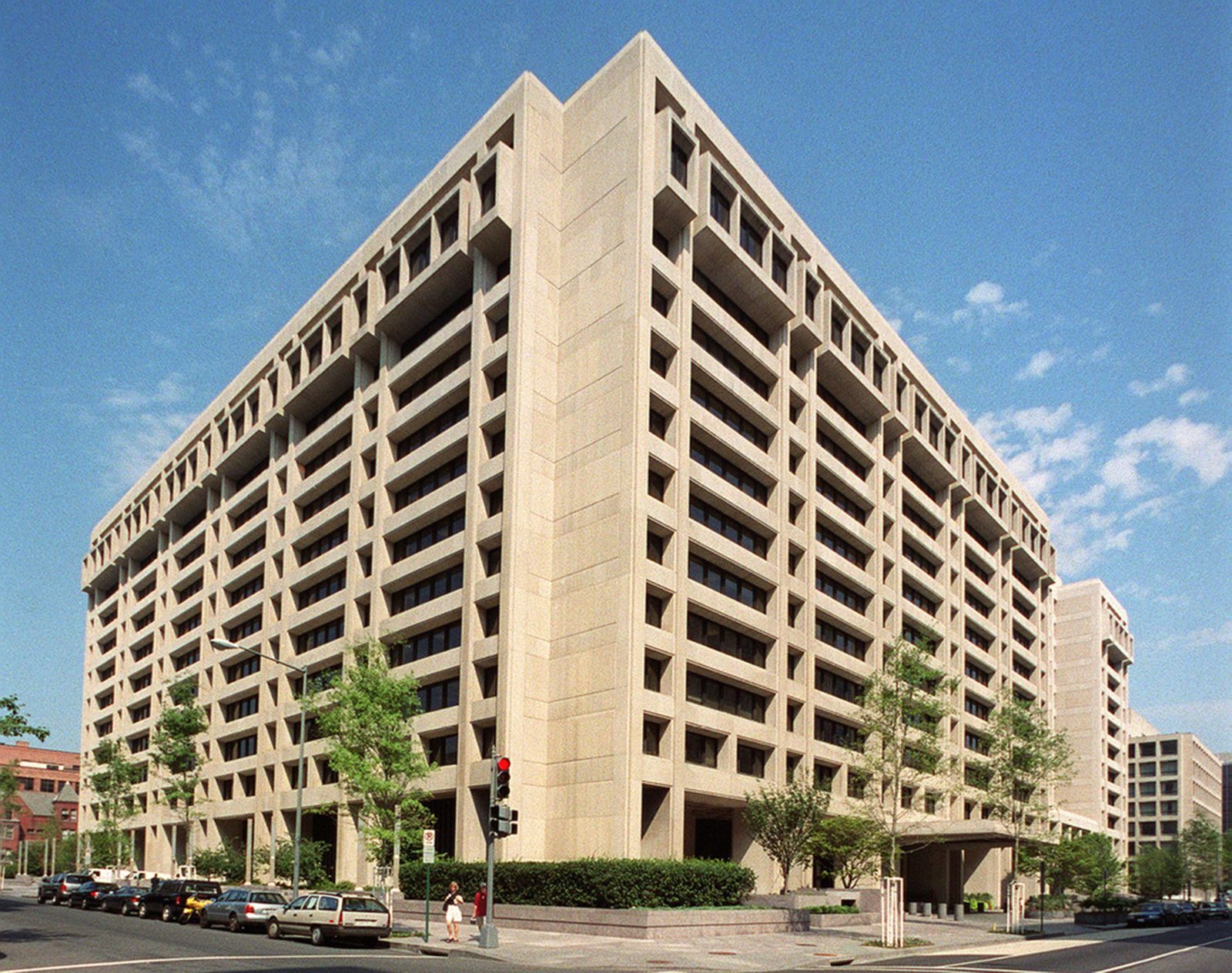
Healey will argue that major economies need credible plans to bring borrowing under control and improve resilience to geopolitical shocks, echoing calls made last week by the IMF's managing director, Kristalina Georgieva, and the Bank of England governor, Andrew Bailey. He will also meet Ukraine's finance minister, Sergii Marchenko, among others.
I will work with our international partners to keep trade moving, support families and businesses, and make Britain's economy stronger and more resilient.John Healey, Chancellor of the Exchequer, statement issued before the IMF annual meetings, quoted by Reuters, 11 October 2026
Government borrowing costs across the major economies hit their highest in decades last week, driven by investor worries about inflation caused by the US-Iran war, high levels of government borrowing and the prospect of higher interest rates.
The trip is the latest step in the run-up to Healey's first annual Budget on 28 October, at which he has repeated he will deliver "fiscal discipline" to keep plans to lower borrowing on track, despite higher debt interest costs and pressure to spend more on defence and on cutting energy costs.
But the Institute for Fiscal Studies has warned that the Chancellor faces a far bigger hole than the Government's plans acknowledge. The i Paper reports an IFS estimate of a £35 billion gap that would require tax rises to plug, blaming high inflation and Britain's defence spending pledge, while Reuters puts the IFS figure at £36 billion, equivalent to raising the main rate of income tax by 3 percentage points.
The Treasury declined to comment on speculation about the Budget. The Sun reports that Helen Miller, a director at the IFS, said a "steady-as-she-goes Budget" was not an option, warning that pencilling in spending cuts the Government had no intention of delivering would make the Budget "a work of fiction".
The IFS pre-Budget study suggests the Treasury could need £25 billion extra for day-to-day spending to avoid cuts to public services, with ambitions to spend 3 per cent of GDP on defence by 2030 costing a further £11 billion by the start of the next decade. Ministers have committed to 3.5 per cent by 2035 and will use next year's Spending Review to set the path to the 3 per cent target.
For Healey, Bangkok is a chance to show international partners that Britain will keep its borrowing plans on track. The harder audience will be at home, three weeks from now, when the Budget has to match the rhetoric.
None to date. The Journal corrects errors promptly and transparently. Read our corrections policy.